
Book an Appointment

Nephrology Hospital in India - Meet the Best Nephrology Doctors for Your Kidney Treatment

 Nephrology

Best Nephrology Hospital in India

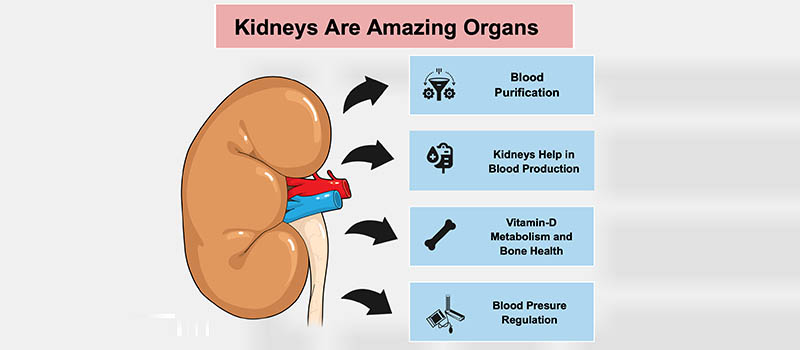
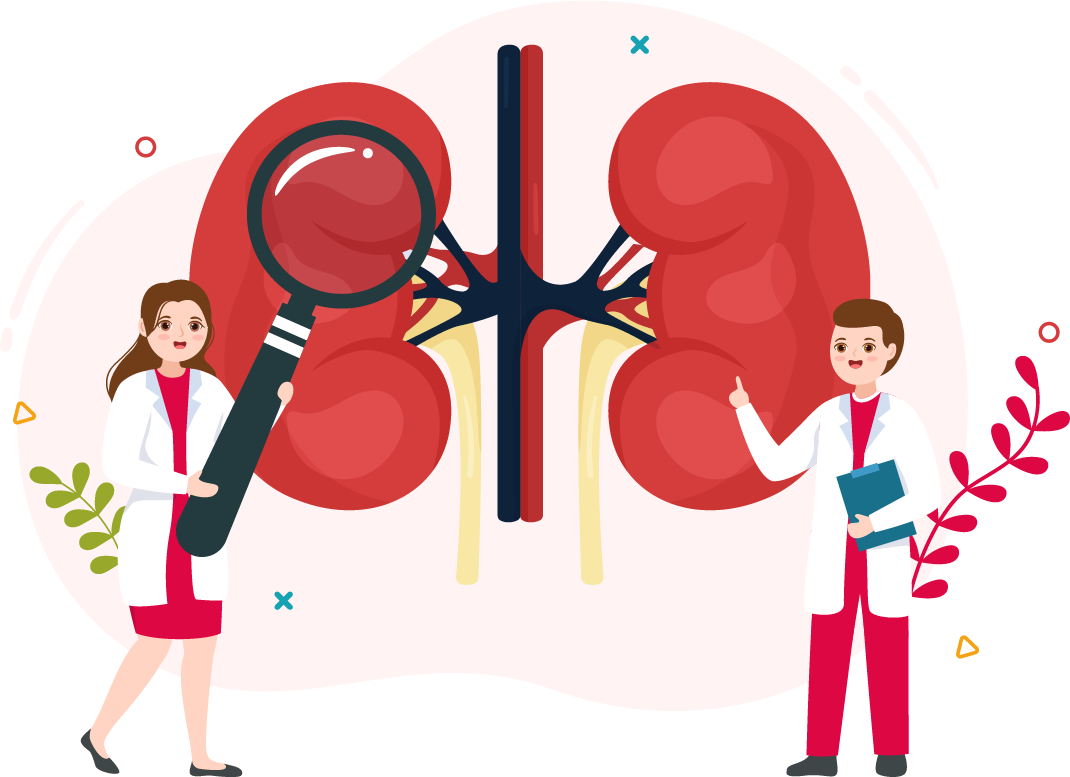
Nephrology is the branch of medicine that focuses entirely on the kidneys; how they work, why they stop working, and how to protect them for the long run. Nephrologists diagnose and medically manage kidney diseases, balance electrolytes, control complications, guide dialysis care, and help patients avoid progression to kidney failure whenever possible. Trusted care for every kidney condition and kidney transplantation at one of the best kidney specialist hospitals in India.

AINU Hospitals stand as one of the best kidney specialist hospitals in India. We offer trusted care for every kidney condition and kidney transplantation at one of the best kidney specialist hospitals in India, with over 300 kidney transplants completed and ranked as India’s top single-specialty nephrology hospital. Our centre is built exactly for those moments when you need clear answers, the right treatment, and a team that truly stands with you. So, if you’re looking for the best nephrology hospital in Hyderabad for trusted, world-class kidney care, reach out to us today.
Nephrology Conditions & Treatment we provide at AINU Hospitals

  • Electrolyte imbalance management
  • Renal biopsy
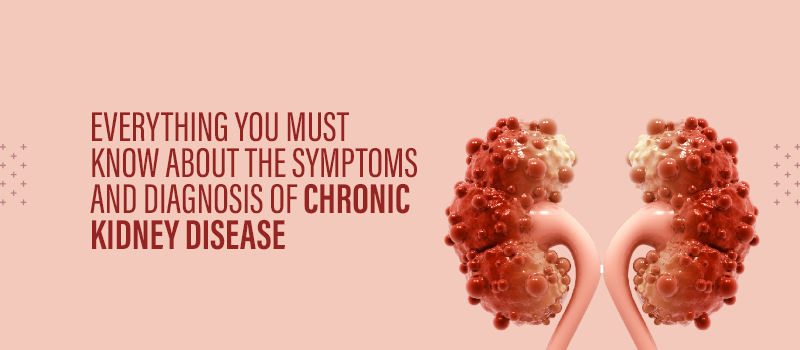
  • Chronic kidney disease (CKD)
  • End-stage renal disease (ESRD)
  • Polycystic kidney disease (PKD)
  • Acute kidney injury (AKI)
  • Diabetic nephropathy
  • Acute glomerulonephritis
  • Acute/chronic glomerulonephritis
  • Kidney stones or Renal stones (nephrolithiasis)
  • Hydronephrosis
  • Hematuria
  • Proteinuria
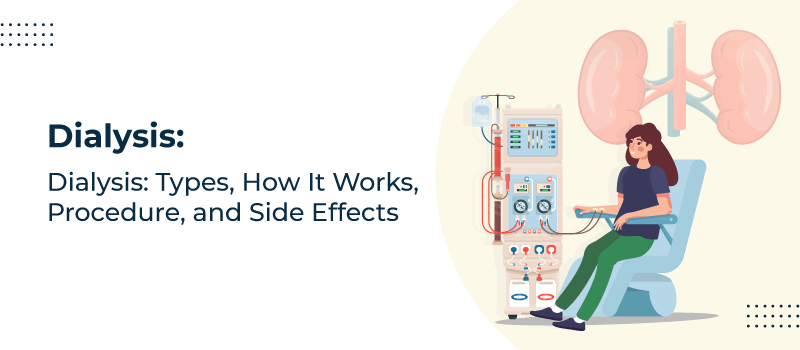
  • Hemodialysis
  • Hemodiafiltration
  • Vascular access failure management
  • Tunnelled dialysis catheter
  • Peritoneal dialysis (in-centre)
  • Chronic ambulatory peritoneal dialysis
  • Automated peritoneal dialysis
  • Rapidly progressive renal failure
  • Cystic kidney disease
  • Diabetic Nephrology
  • Cystic Kidney Dialysis
  • Systemic lupus erythematosus
  • Renal/Kidney Transplantation
  • Allograft dysfunction
  • Lupus Nephritis
  • Medullary Sponge Kidney
  • Renal Artery Stenosis

Common Signs & Symptoms of Kidney Diseases?

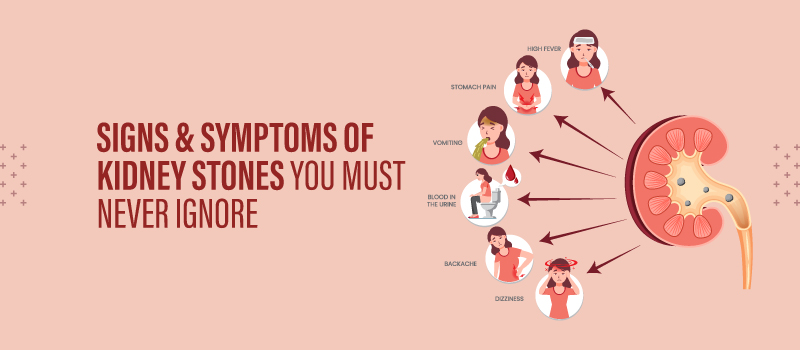
  1. Swelling (Edema) – Puffy face, ankles, or feet due to water retention.
  2. Changes in Urination – More frequent urination, reduced output, foamy urine, or increased nighttime urination.
  3. Blood in Urine (Hematuria) – Red or tea-colored urine can indicate stones, infections, or glomerular problems.
  4. Persistent High Blood Pressure – One of the most common, and often overlooked signs of underlying kidney issues.
  5. Fatigue & Weakness – Because failing kidneys can’t filter toxins effectively.
  6. Loss of Appetite & Nausea – Waste buildup in the body affects digestion and appetite.
  7. Back or Flank Pain – Often linked to stones, infections, or structural problems.
  8. Itching & Dry Skin – Due to mineral imbalance and toxin accumulation.
  9. Shortness of Breath – Caused by fluid overload or anemia related to kidney disease.

What Are Common Tests for Renal Assessment?

  1. Kidney Function Tests (KFT) – A set of blood tests including creatinine, Urea, electrolytes, complete urine examination , and estimated GFR that show how well your kidneys are working.
  2. Urine Analysis – Checks for protein, blood, infections, crystals, or abnormalities that indicate kidney stress or disease.
  3. Urine Protein Tests – Includes spot urine protein, ACR (Albumin-Creatinine Ratio), and 24-hour urine protein to detect early kidney damage.
  4. Ultrasound Abdomen/KUB – A painless scan that shows kidney size, structure, cysts, stones, or blockages.
  5. Renal Doppler Study – Assesses blood flow to and inside the kidneys, vital for diagnosing renal artery stenosis.
  6. CT Scan / CT Urogram – Detailed imaging for stones, masses, cysts, and structural abnormalities.
  7. Electrolyte Tests – Measures sodium, potassium, calcium, and other essential minerals to identify imbalances.
  8. Renal Biopsy – A small tissue sample taken from the kidney to diagnose complex or unclear conditions, especially glomerular diseases.

Among the many reasons AINU Hospitals has established itself as one of the best kidney hospitals in Hyderabad are our world-class labs, high-quality testing, and consistently accurate results.

Best Kidney Transplant Surgery in India

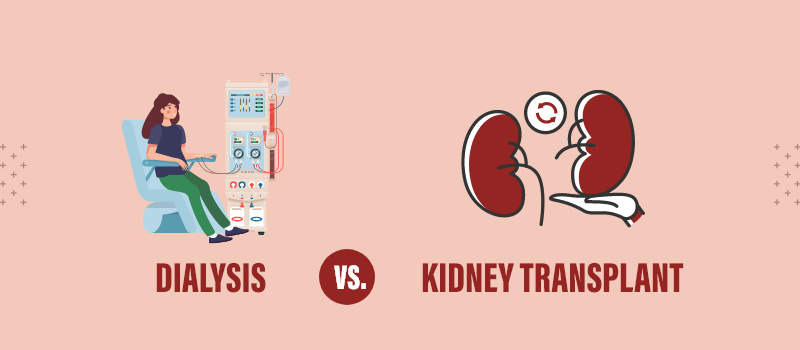
Think of a kidney transplant as your body getting a “replacement filter.” When your kidneys stop working, toxins and fluids build up, and dialysis becomes the temporary lifeline. A transplant puts a healthy kidney inside your body so it can work naturally again; no machines, no frequent hospital trips, no constant fatigue. It helps people get back to living, not just surviving.

At AINU Hospitals, considered among the best kidney hospitals in India, every patient, whether managing early-stage kidney issues or preparing for a transplant, receives seamless, personalised, and continuous care.

Types of Kidney Transplants

Kidney failure can turn everyday life into a constant struggle. A kidney transplant offers a second chance; restoring kidney function, energy, and freedom from dialysis. Here are two types of kidney transplants:

Living Donor Kidney Transplant

A highly successful transplant option performed when a healthy family member or loved one donates a kidney.

  • Ensures shorter waiting time
  • Offers excellent long-term survival rates
  • Prioritizes donor safety with advanced evaluation and minimally invasive donor surgery techniques

Deceased Donor Kidney Transplant

For patients without a living donor, a kidney from a registered deceased donor can provide life-saving treatment.

  • Conducted under strict ethical and medical guidelines
  • Coordinated with registries to reduce waiting time
  • Offers long-term kidney function and improved quality of life

At AINU Hospitals, we provide comprehensive and advanced kidney transplant care designed to restore long-term kidney function and quality of life. Our expert transplant team ensures precision, safety, and personalized care at every step.

Pre-Transplant Evaluation & Preparation

Comprehensive assessment to ensure readiness and safety:

  • Blood tests, imaging, and organ function assessments
  • Immunological matching & crossmatch testing
  • Medical optimization for both donor and recipient
  • Counselling to help both patients and family understand the process
  • Infection screening
  • Clearance from Cardiology & Pulmonology specialists

Post-Transplant Care & Long-Term Follow-Up

Focused on protecting the new kidney and ensuring long-term health:

  • Immunosuppressive therapy management – lifelong
  • Regular monitoring for rejection, infections, and metabolic health
  • Lifestyle and diet guidance for sustained recovery

What about the Donor?

The donor is thoroughly evaluated before transplant. Donors undergo a full assessment, even for high-risk transplants and if the donor remains healthy afterward, they lead a healthy, long-term life.

What to Expect in Kidney Transplant Surgery

  • he transplant is performed under general anesthesia for your comfort and safety
  • Surgery usually takes around 4 to 6 hours, depending on individual cases
  • A small incision is made in the lower abdomen to place the new kidney in position
  • The kidney’s blood vessels are carefully connected to your own, and the ureter is attached to the bladder
  • Patients typically stay in the hospital for 7 to 10 days for close monitoring
  • Immunosuppressive medications are administered to prevent rejection of the transplanted kidney
  • Post-surgery follow-ups, along with guidance from our nutritionists, help ensure a smooth recovery within a few weeks

Why Choose AINU Hospitals for Kidney Transplant Care?

  • One of the region’s most advanced and well-established kidney transplant programs
  • A fully dedicated transplant team focused only on transplant care
  • Expert nephrologists, skilled transplant surgeons, experienced coordinators, renal nutritionists, and supportive counselors
  • Modern infrastructure and cutting-edge technology, including support for high risk transplants and second transplants.
  • End-to-end continuity of care with integrated dialysis, ICU, and post-operative services
  • A strong record of successful transplants built over more than 11+ years

Why We're Recognized Among the Best Nephrology & Kidney Transplant Hospitals in India

  • NABH-accredited multispeciality hospital
  • 300 + Successful Kidney Transplant Surgeries
  • 24/7 emergency support
  • Personalized pre- & post-transplant care
  • Expert nephrologists with decades of combined experience
  • Renowned kidney transplant hospital in Hyderabad

  • High-end diagnostics & exclusive kidney care infrastructure

  • Complete care from prevention to dialysis and transplantation
  • Ethical, transparent, patient-first medical practices

Meet Our Nephrology & Kidney Transplant Experts

Loading doctors information...

Patient Testimonials

Frequently asked questions :

Nephrology is a medical specialty dedicated to understanding how the kidneys work, identifying kidney-related problems early, and providing the right treatment to protect or restore kidney function.

Kidney issues often start quietly. Symptoms may include swelling in the legs or face, persistent fatigue, rising blood pressure, foamy or bloody urine, nausea, loss of appetite, and noticeable changes in how often you urinate.

Kidney-related issues can range from minor to serious. Some of the most common include kidney stones, chronic kidney disease (CKD), acute kidney injury (AKI), diabetic kidney disease, glomerular diseases, proteinuria, hematuria, and hereditary kidney disorders like PKD. For proper treatment, visit any of the best kidney hospitals in India

Doctors use a combination of blood and urine tests, along with imaging, to evaluate kidney health. These include urine analysis, creatinine and urea tests, GFR estimation, ultrasound, renal Doppler, CT scans, and sometimes a kidney biopsy for in depth investigation.

A kidney transplant is a surgical procedure that places a healthy kidney from a living or deceased donor into a patient with end-stage renal disease or chronic kidney failure.

AINU Hospitals is regarded by many as the best nephrology hospital in India. You can book through our website, call our helpline, or walk into the hospital. Our team will help you choose the right specialist and guide you through the entire process.

A Kidney Function Test (KFT) is a group of blood and urine tests that check how well your kidneys are filtering waste. It typically includes creatinine, GFR, urea, electrolytes, and urine protein levels.

AINU Hospitals is recognized as India's No. 1 Urology & Nephrology Hospital. You receive expert care backed by advanced diagnostic technology, experienced specialists, and patient-first support, ensuring you get clear answers, effective treatment, and continuous guidance.